
Sponsor impact was real. No one could see it. I built a live platform that changed that.
TravelTransforms converted scattered student stories, photos, and emails into a live, sponsor-accessible proof system — reducing reporting burden while making impact visible, reusable, and scalable for funding conversations.
View it →
The TravelTransforms platform homepage — built so sponsors could access live proof of impact anytime, without waiting for a quarterly deck or an email thread.
Impact was happening. The proof was scattered across inboxes, personal phones, and quarterly decks no one reread.
Southwest Airlines was a significant sponsor. Students were traveling to New York, Mexico City, Clark Atlanta — meeting elected officials, attending the Obama Foundation, creating outcomes worth documenting. None of it was visible in a way sponsors could access, share, or use in internal conversations about renewing funding.
Staff were spending hours manually assembling photo collections and building one-off presentations for each reporting cycle. The impact was real but the proof system was extractive — it cost more to maintain than it gave back.
The organization needed a way to make impact visible without making it a burden.
Proof beats narrative. Sponsorship conversations move faster when the evidence is self-serve, visible, and current.
A generative storytelling system — designed so every student story becomes reusable sponsor-grade evidence.
A repeatable story structure that turns one-off impact into a scalable library
Defined a standardized format — program context, student reflection, photography, engagement proof — that works across every city, every cohort, every trip. Each story published follows the same pattern, which makes the library scannable and comparable for sponsors reviewing multiple programs.
Sponsor-ready access without staff intermediaries
Rather than presenting impact through update calls and quarterly decks, the platform gives sponsors — like Southwest — direct, anytime access to a live proof library. This is a service design decision: reduce the friction of impact verification for the people whose continued funding depends on being able to verify impact easily.
Eliminated manual reporting burden without reducing proof quality
The old system required staff to manually collect, organize, and format proof for every reporting cycle. The new system inverts that: student submissions feed into a publishing flow that populates the platform directly. Staff involvement in reporting drops; proof quality and accessibility goes up.
External validation built into the platform structure
High-signal moments — Obama Foundation participation, congressional visits, engagement with civic leaders — are documented and surfaced as credibility markers, not buried in email threads. The platform makes these moments findable and shareable, which strengthens confidence in renewal and grant-extension conversations.
The system in practice — ten published proofs, one repeatable format.
Context framing — Orients sponsors and establishes credibility before they read a single story.
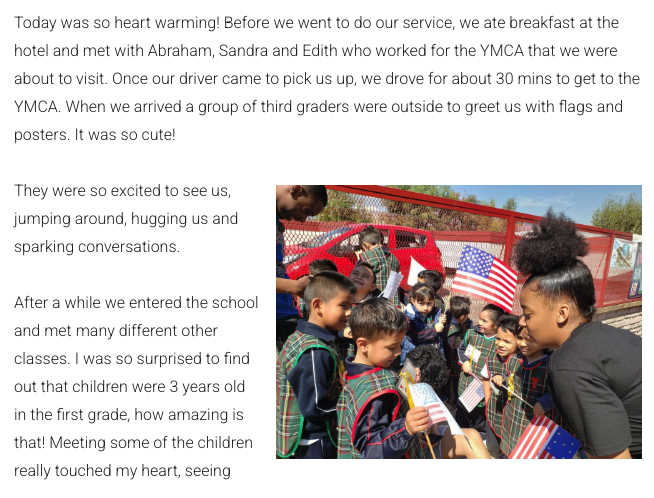
Story structure — Standardizes documentation so proof is reusable across funding conversations.

Student reflection — Turns narrative into sponsor-grade evidence that's easy to reuse.
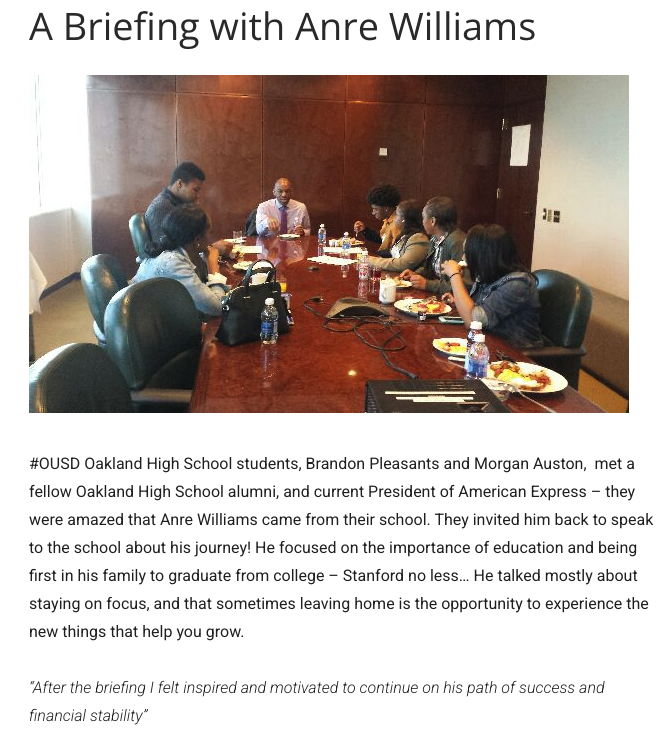
Engagement proof — Centralizes high-signal moments so sponsors aren't relying on email threads.
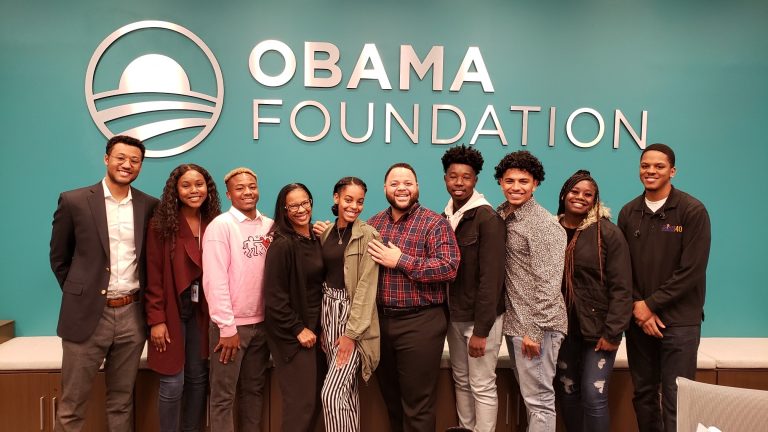
External validation — Strengthens confidence in renewal and grant-extension discussions.
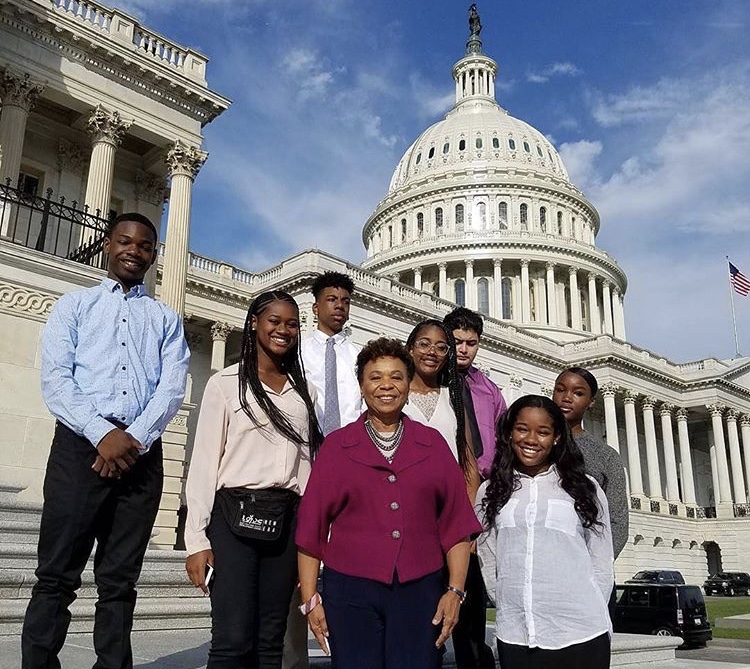
Legitimacy signal — Communicates reach and civic credibility to funders at a glance.
Hover the images then scroll to browse all artifacts →
Southwest and other sponsors can access live proof of impact anytime — without waiting for a presentation, a call, or an email request.
Manual photo collection and quarterly deck creation removed from the reporting cycle. The platform does the work.
Every story published is reusable across funding renewals, grant extensions, and new sponsor conversations — indefinitely.
TravelTransforms is a service design project disguised as a website. The real work was designing the system: the story structure that makes impact repeatable, the access model that removes friction for sponsors, the publishing flow that removes burden from staff. The platform is the output. The system is the work.
This is what it means to build a self-serve proof system: funders get what they need to stay funded. Staff get time back. The organization gets a scalable infrastructure for impact communication that doesn't require constant manual effort to maintain.